
How to Follow the SunDiet™ -The 3 Simple Steps

Enjoy Natural Sunlight
Getting sunlight while grounded does far more than people think. Natural light—especially in the morning—sets the circadian clock that coordinates sleep, alertness, mood, hormone timing, appetite, metabolism, and daily energy. Daytime sunlight signals the body to be awake and active, while darkness at night supports the release of melatonin and prepares the body for restorative sleep. Regular outdoor light exposure also provides a balanced spectrum of visible, red, infrared, UVA, and UVB wavelengths that artificial indoor lighting cannot fully reproduce. In simple terms, circadian biology is the study of how light and darkness regulate the timing of human physiology. When our light exposure matches the natural day-night cycle, the body receives clearer signals about when to wake, move, eat, recover, and sleep.

Avoid the Unseen
Non-native electromagnetic fields (nnEMFs) is a broad term often used for human-made electric, magnetic, and radiofrequency fields produced by household wiring, appliances, cell phones, Wi-Fi, Bluetooth, and other wireless systems. Because modern exposure is continuous and often unnecessary, improving your environment is a practical precaution: increase distance from devices, avoid carrying transmitting electronics against the body, use wired connections when convenient, and keep phones and routers away from the bed. The goal is not to fear technology, but to reduce avoidable exposure—especially during sleep—while also limiting screen light, alerts, and interruptions that can interfere with rest and recovery.

Eat Proper Nutrition
Eating for circadian biology means considering not only what you eat, but when you eat it. Light sets the body’s master clock, while meal timing helps synchronize metabolic clocks in the liver, pancreas, gut, and other tissues. Eating during the daylight hours—especially earlier in the day—and allowing darkness to remain a period of fasting can better align digestion, hormones, blood-sugar control, and energy production with the body’s natural daily rhythm.

Featured Product
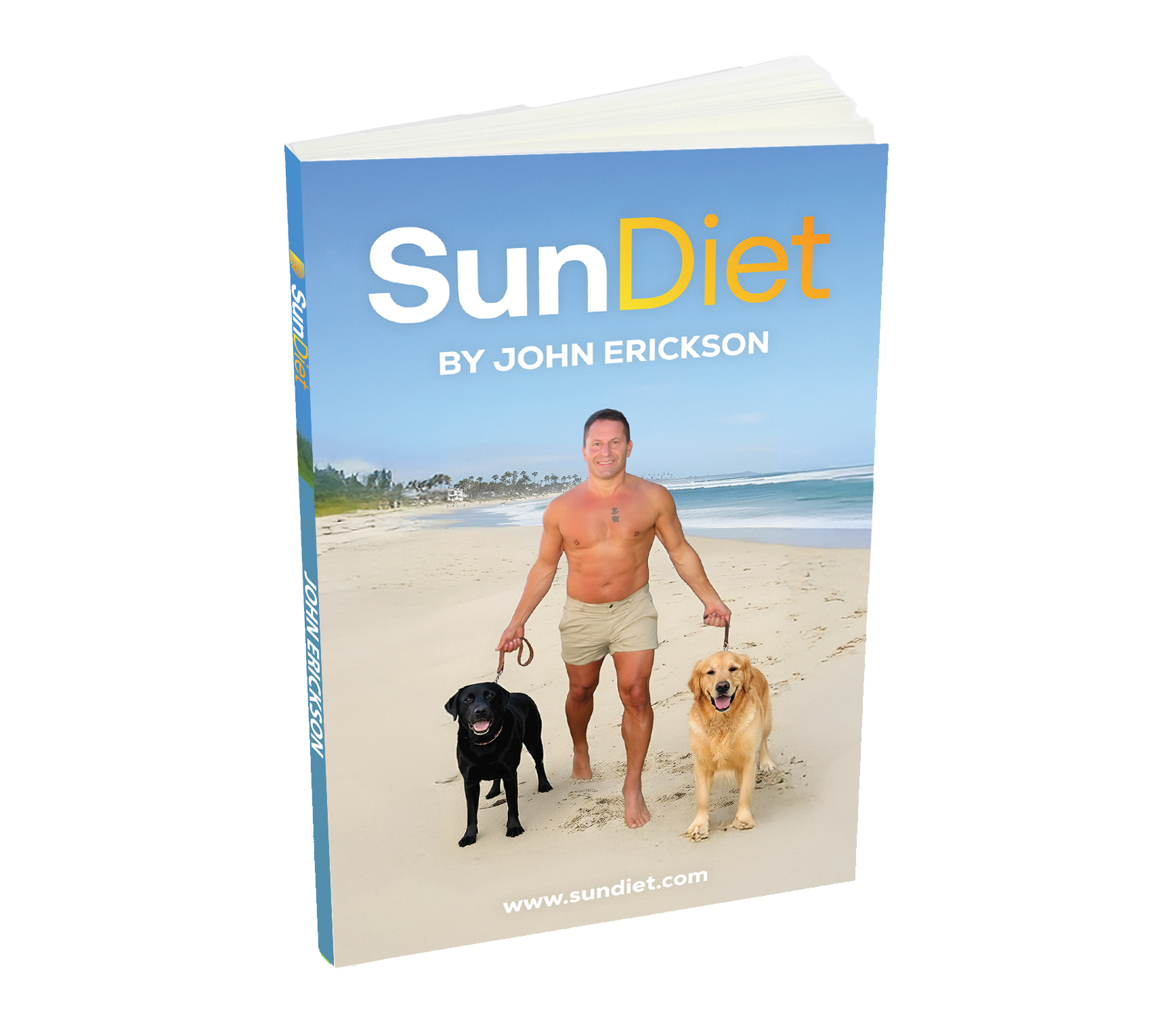
Learn how to follow the SunDiet™ with this simple 3 step Discover how to follow the SunDiet™ with a clear, easy-to-use guide designed to help you get started with confidence. This book breaks the process into three simple steps, giving you a practical path to understand the method, build healthier daily habits, and stay consistent without feeling overwhelmed.
Frequently Asked Questions
-
The SunDiet™ tackles the root cause of feeling helpless and don’t feel good because of it—whether it’s an addiction to coffee, junk food or pharmaceuticals. Unlike quick fixes or conventional drug therapies, the SunDiet™ focuses on aligning your daily habits with your body’s natural rhythms, empowering you to achieve lasting health and freedom from all types of ailments.
-
While following the SunDiet™, you may initially invest more in high-quality foods like seafood and healthy water. However, you’ll save money over time by eliminating unnecessary expenses on processed foods, protein powders, nutrition bars, and costly supplements. The SunDiet™ encourages a shift away from these superfluous products, helping you reduce your overall spending while investing in your long-term health. Enjoying vibrant health and reducing your reliance on doctor visits and pharmacy trips is truly invaluable. The SunDiet™ helps you achieve lasting wellness, so you can save money and focus on living your best life.
-
Strict vegans. Pescatarians who eat fish and vegetables will do fine if they follow circadian principles. The most necessary proteins on the SunDiet™ include seafood, eggs, lamb, and high‑quality beef. DHA, an important component that vegans lack, is a necessary part of the SunDiet™.
Those who are uncomfortable with sun exposure and feel unable to change their perspective.
-
The goal of SunDiet™ is to achieve a sensible amount of sun exposure, tailored to your skin tone and your body’s ability to absorb sunlight. If you are sensitive to the sun and have typically avoided it, it’s important to gradually increase your sun exposure over time.
-
Regrettably, the sun is often blamed for health issues that are actually caused by other factors. For instance, wearing sunglasses leads to increased sun sensitivity by inhibiting melanin production. Additionally, excessive exposure to artificial blue light and disruptions in circadian biology are significant contributors to the development of skin cancer.
The sun must be respected and used wisely. If your ability to absorb sunlight is limited, it is important to gradually build your sun tolerance. Many individuals only receive occasional sun exposure, such as on weekends or during vacations, which is insufficient and can contribute to weakened skin. If you have avoided sun exposure for most of your life, you should increase your exposure slowly.
-
Many individuals with seafood allergies are sensitive to either fish or shellfish, but not necessarily both. It’s best to focus on the types of seafood you can tolerate. For those unable to eat any seafood, lamb is an excellent alternative.