
Expert Mistakes
Not all professional advice is good advice. In many cases, people are encouraged to follow recommendations that ignore the body’s natural relationship with light, food, environment, and circadian biology. Here are some common examples of professional advice that may do more harm than good.

PERSONAL TRAINERS
Be cautious when a personal trainer recommends creatine. Creatine supplements are high in deuterium, while creatine from whole foods such as meat and fish is non-deuterated. The body also produces creatine naturally, primarily in the liver, kidneys, and pancreas. The human naturally produces roughly 1–2 grams of creatine per day.
MEDICAL DOCTORS
If your doctor prescribes Lipitor to lower LDL cholesterol, it may not be wise. Based on the “cholesterol paradox,” some studies suggest that people with higher LDL levels live longer.
DENTISTS
If your dentist recommends fluoride, it should be a concern because fluoride is described as highly “electron-grabbing” and therefore as something that drains energy from the body.
NUTRITIONISTS
When a nutritionist tells you to eat berries in the winter, they are not taking circadian biology seriously. Your carbohydrate intake should be seasonal and aligned with the environment you are living in.
PSYCHIATRISTS
When a psychiatrist prescribes an antidepressant to raise serotonin, it can be seen as a replacement for nature. Instead, the emphasis should be on sunlight exposure. When sunlight enters the eyes, it stimulates the retina and cues the brain to produce serotonin, which plays a role in mood, emotions, appetite, and digestion.
FUNCTIONAL MEDICINE DOCTORS
When a functional medicine doctor recommends vitamin D, they may be echoing a narrow conventional view. Oral vitamin D provides a chemical signal without the “photonic power” of sunlight, while direct exposure to UVB radiation is presented as the only natural way for the skin to synthesize vitamin D.
HERBALISTS
If an herbalist recommends turmeric, the issue here is that turmeric is viewed as undesirable because it decreases melanin synthesis.
PSYCHOANALYSTS
When a psychoanalyst says an illness is mental, it overlooks how mental capacity is shaped by environment. This view points to factors such as light exposure, circadian rhythm, avoidance of nnEMF, and seasonal eating as influences on both disease and mental outlook.
DERMATOLOGISTS
When dermatologists recommend sunscreen, they interfere with sunlight’s role in vitamin D production. Sunlight activates melanin, which acts as a natural sunscreen.
OPHTHALMOLOGISTS:
When ophthalmologists recommend sunglasses, they block melanin production and increase sun sensitivity. Sunglasses will also lower dopamine levels and contribute to a wide range of health problems.
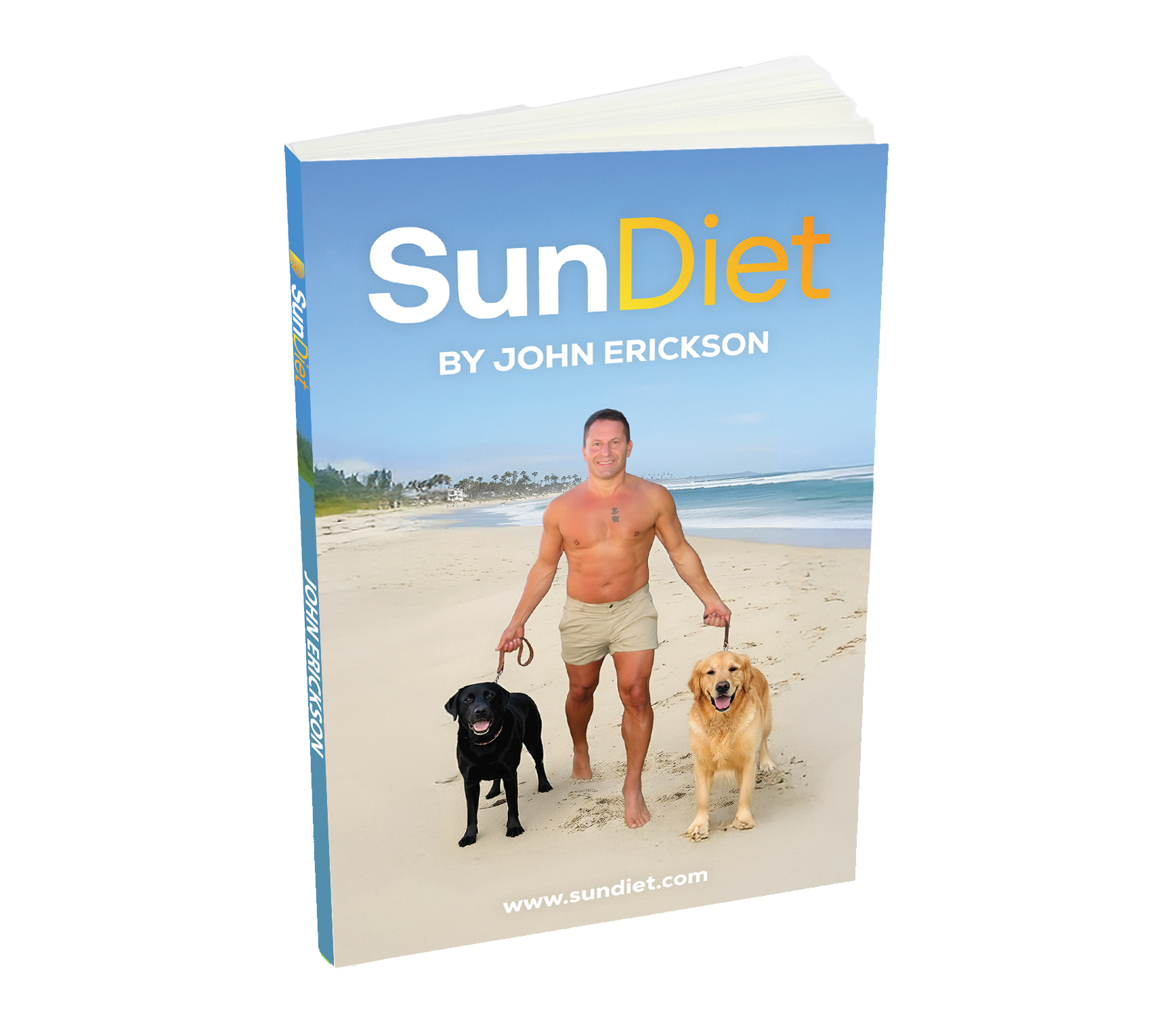
The SunDiet™ book offers a step-by-step guide to help you synchronize your body with its natural circadian rhythm. By embracing a healthy light environment, steering clear of hidden risks, and making mindful food choices, you’ll unlock the path to genuine, sustainable well-being. This book empowers you to achieve optimal health—not through quick fixes, but by transforming your daily habits for lasting results.