
While indoors under artificial light, it's imperative to wear blue-blocking glasses to protect your eyes from the blue light spike emitted by computer screens, flat-screen TVs, fluorescent lighting, LED bulbs, and smartphones. Artificial blue light raises blood sugar levels, increases insulin, causes eye strain, and disrupts your circadian biology. Blue-blocking glasses help establish a consistent light-dark cycle and support optimal melatonin levels.
DAYTIME LENSES
Daytime blue-blocking glasses are beneficial whenever you are indoors and exposed to artificial blue light. These lenses effectively block 50% of the blue light in your environment.
Naturally, blue light enhances focus and cognition during the day, so you only need to block 50% of blue light at this time. Daylight lenses have a yellow tint, whereas night glasses have a darker, amber tint.
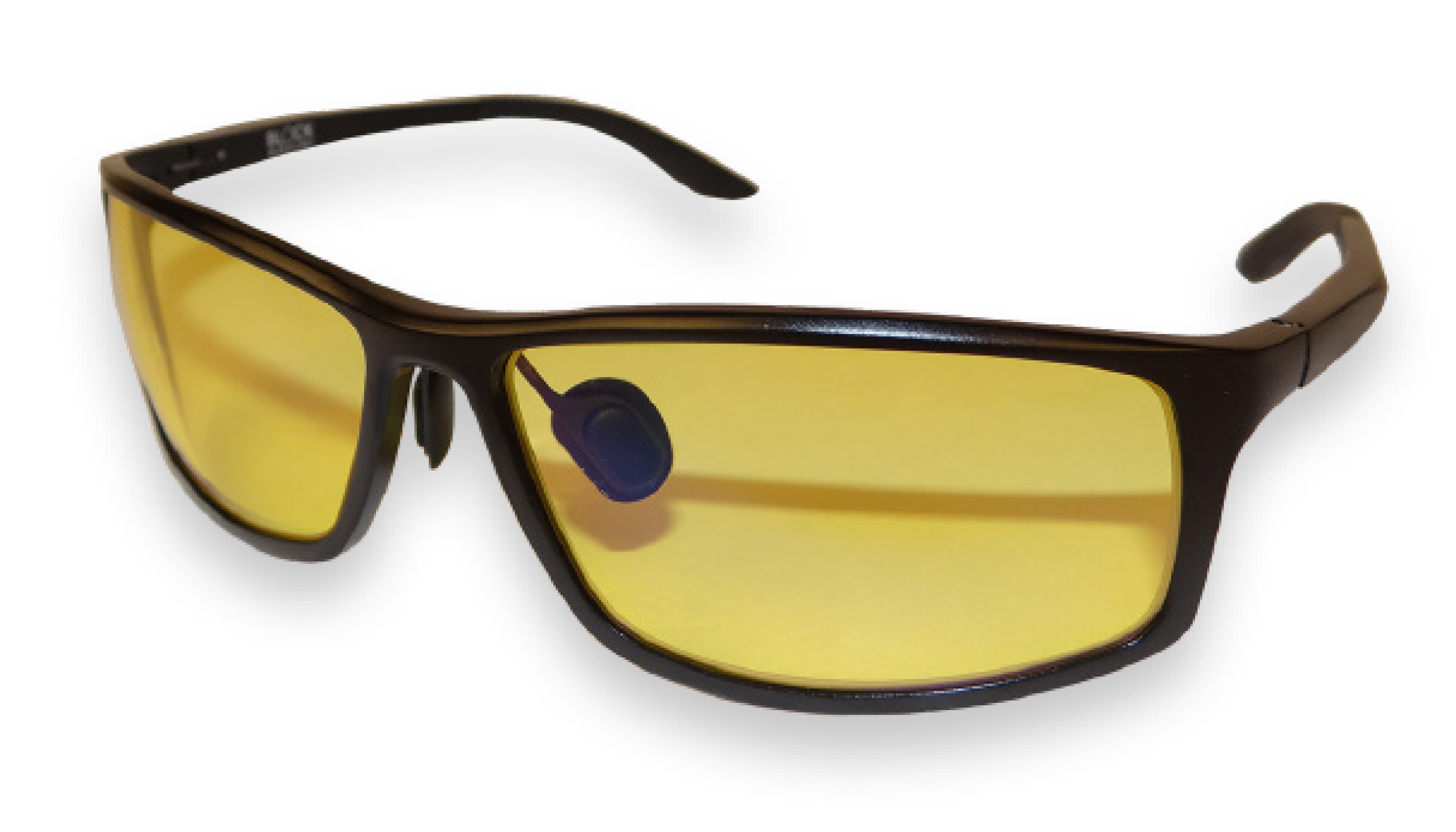
DayMax Elite
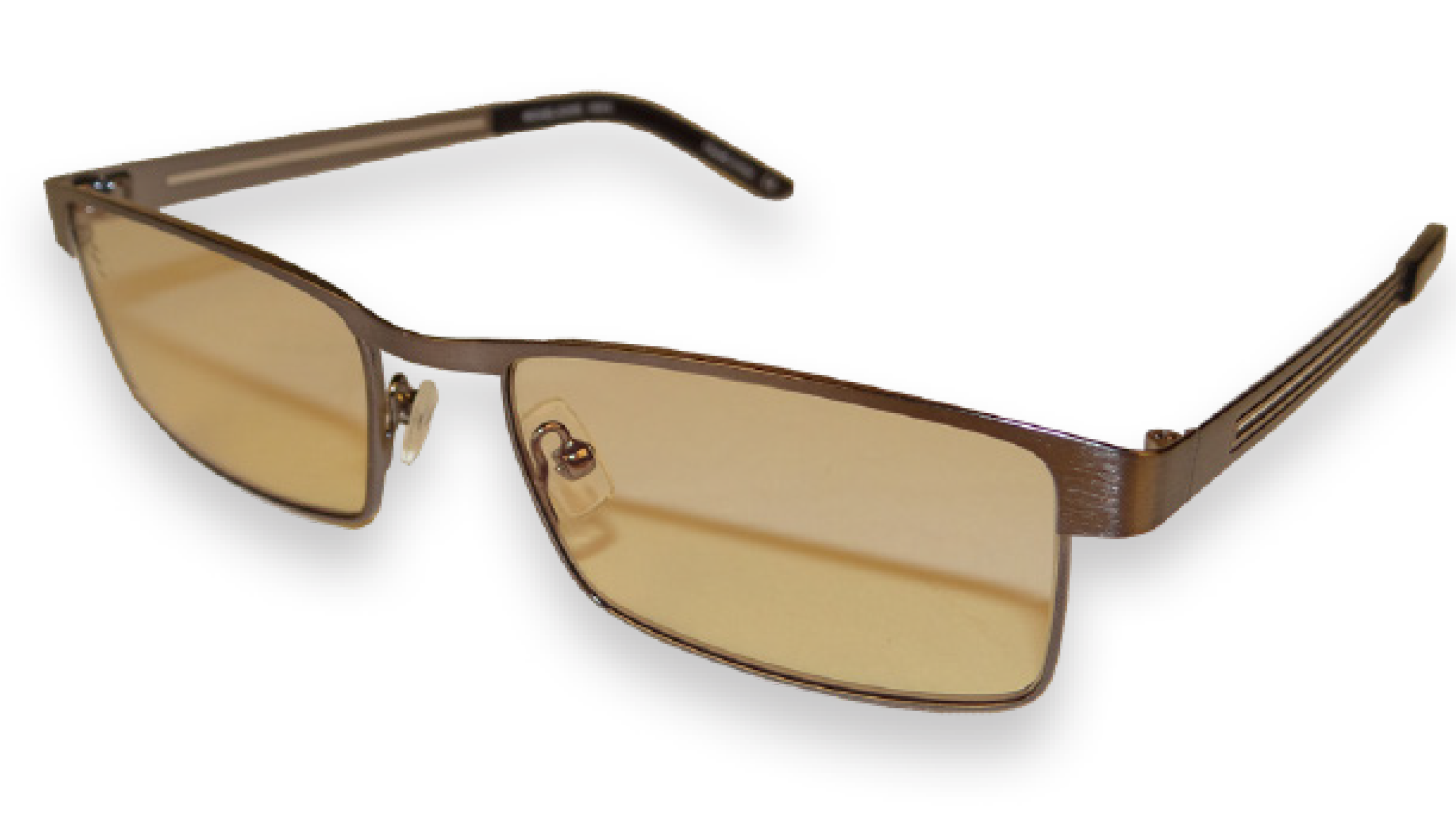
Max Pewter
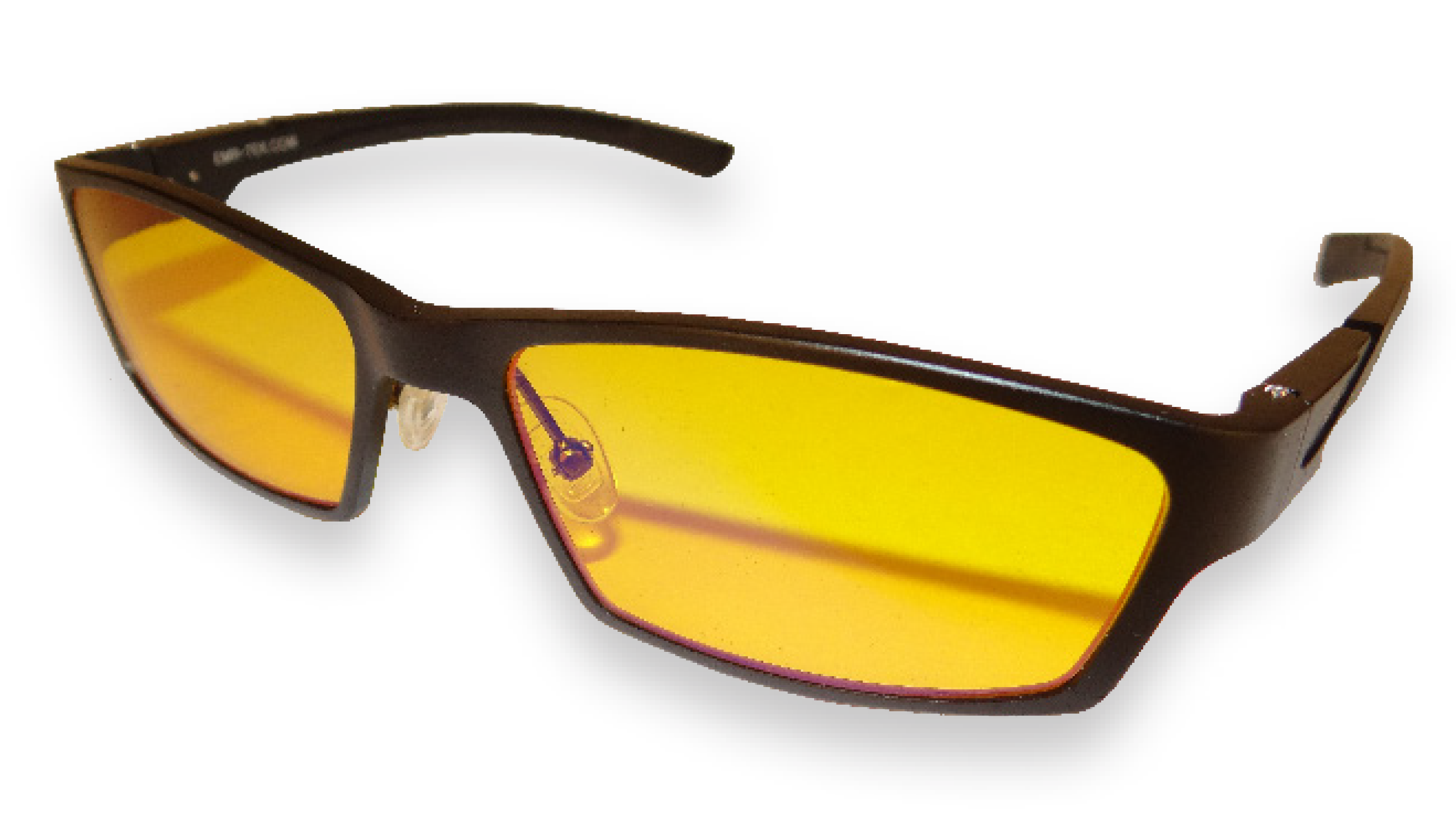
Odin
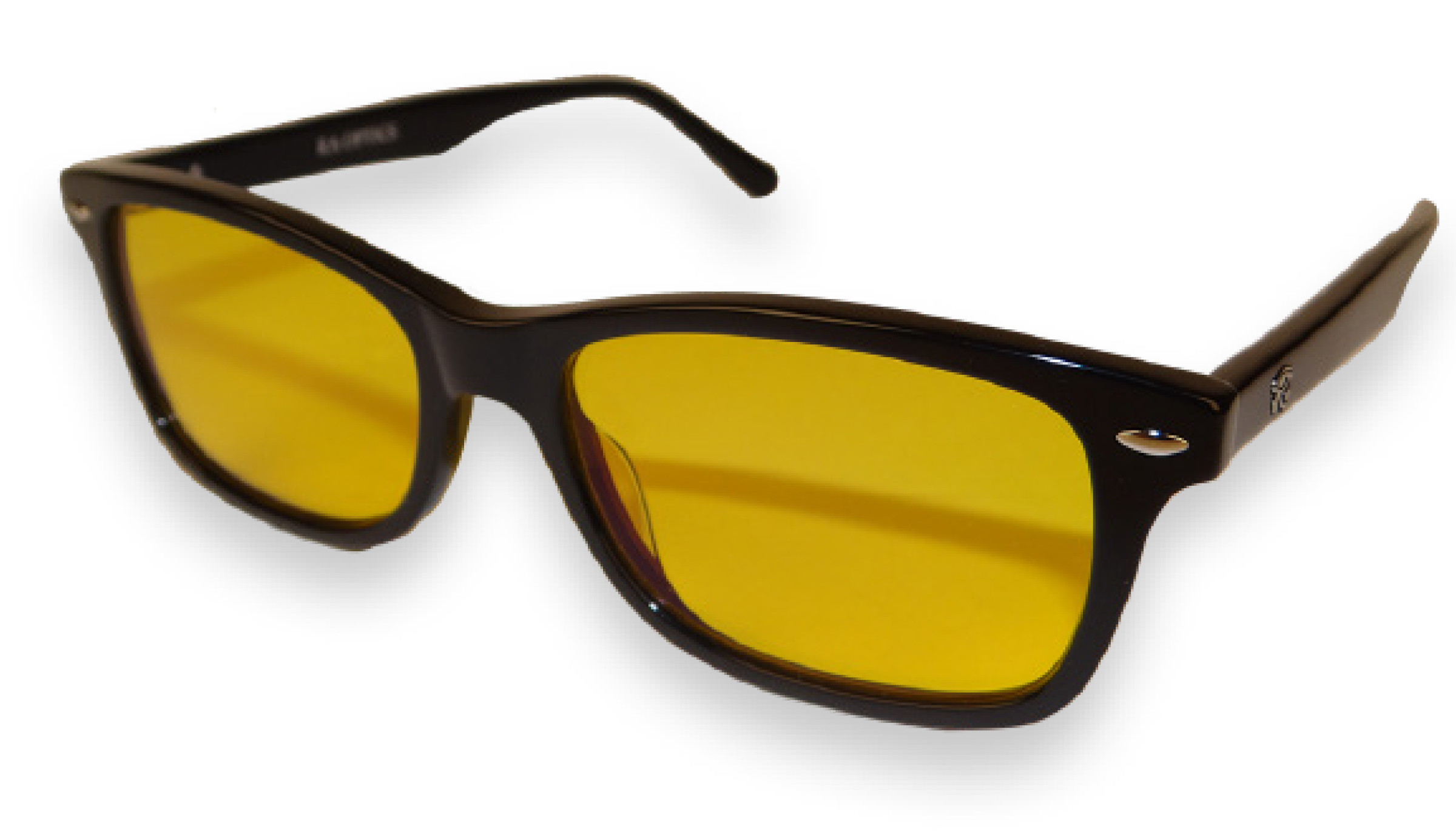
Ram Dass
EVENING LENSES
After sunset, wear evening blue-blocking glasses indoors to block 100% of the blue light around you. For example, if you dine at a restaurant, watch TV at night, or use your smartphone after sunset, be sure to wear glasses that block all blue light. Blocking artificial blue light after sunset is essential for maintaining a consistent light/dark cycle and helping your body prepare for sleep. The better you sleep, the better you’ll feel the next day. The following graph illustrates the spike in blue light emitted by a flat-screen TV.
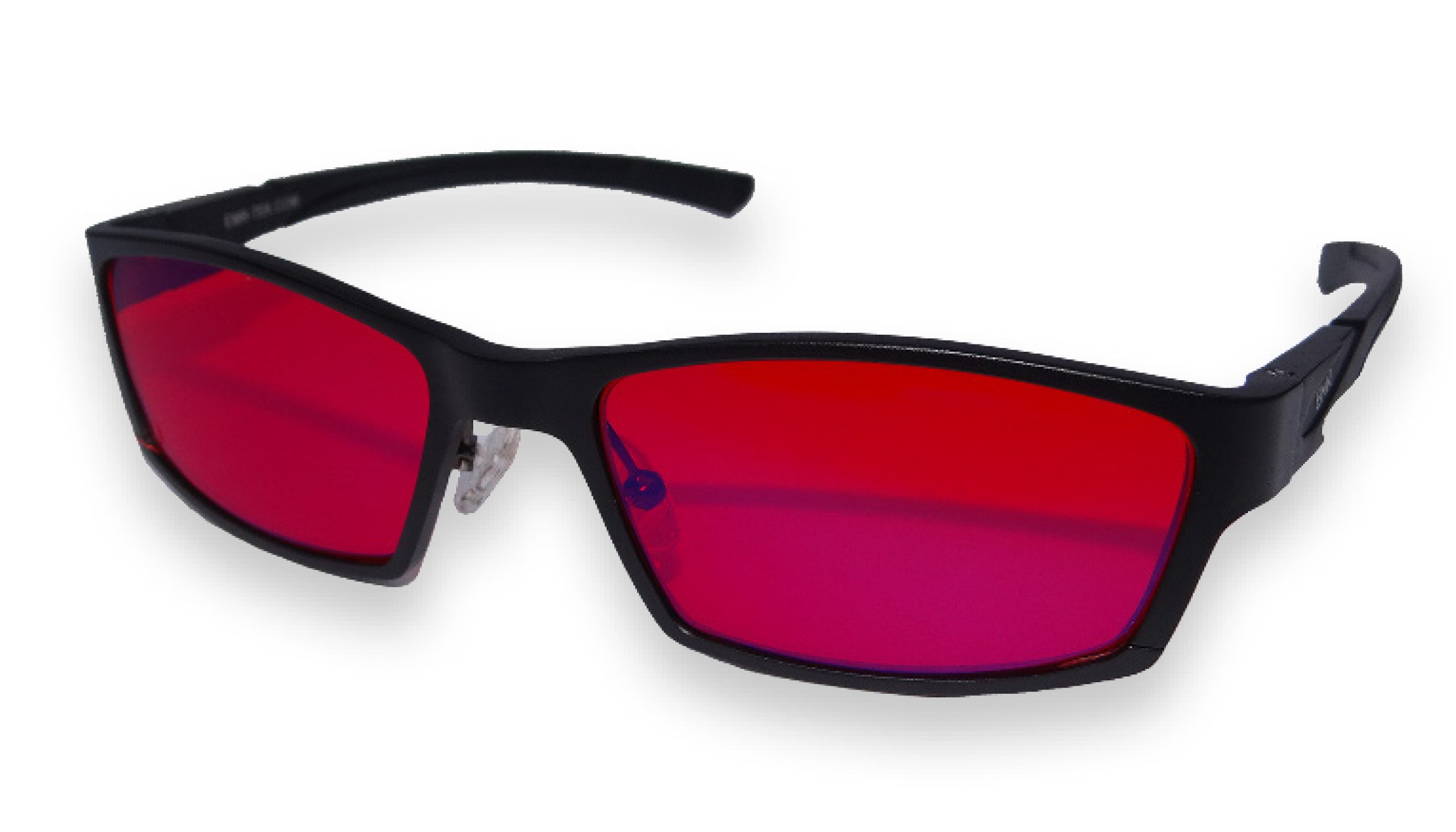
Cyclops
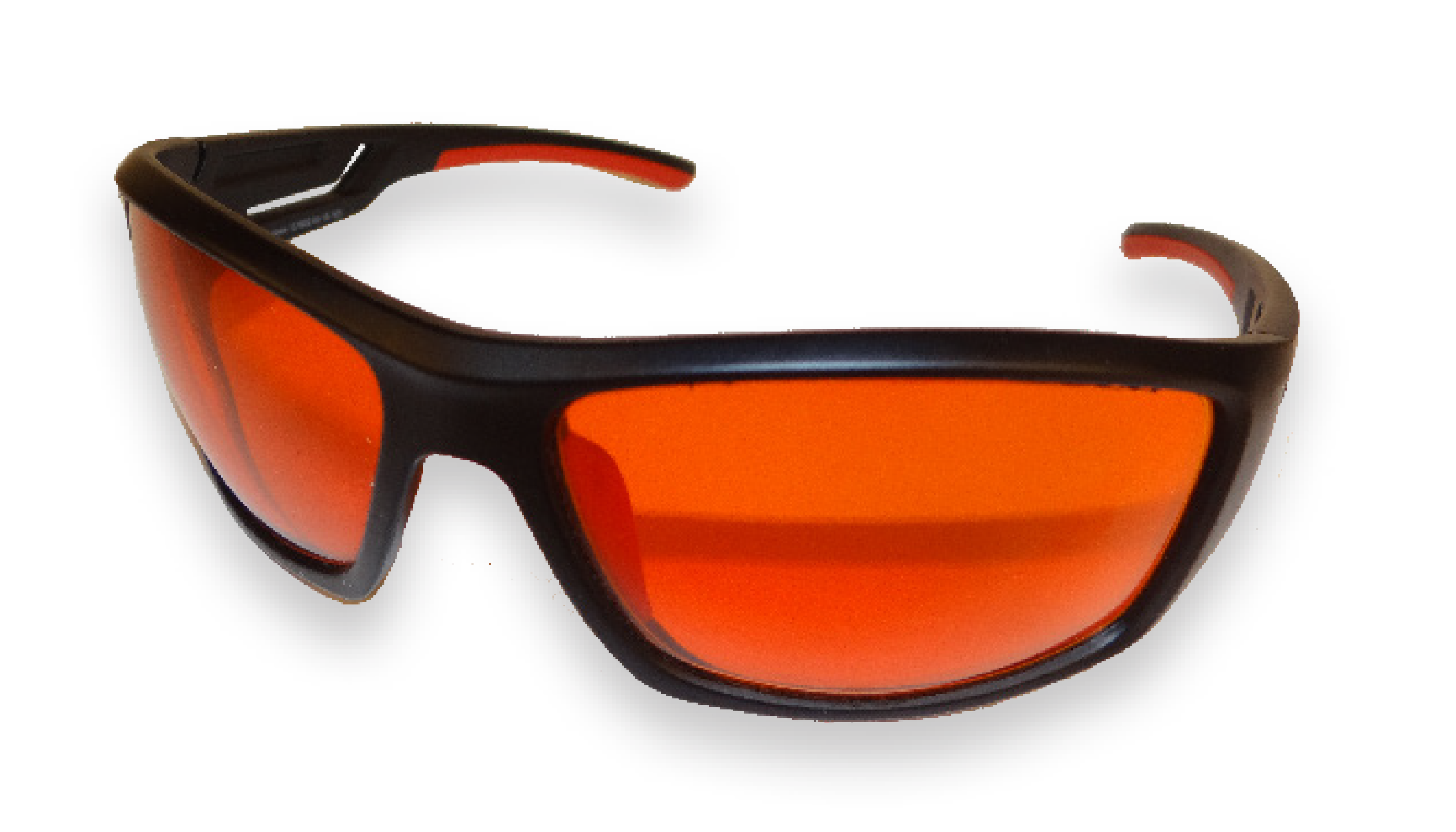
Onyx
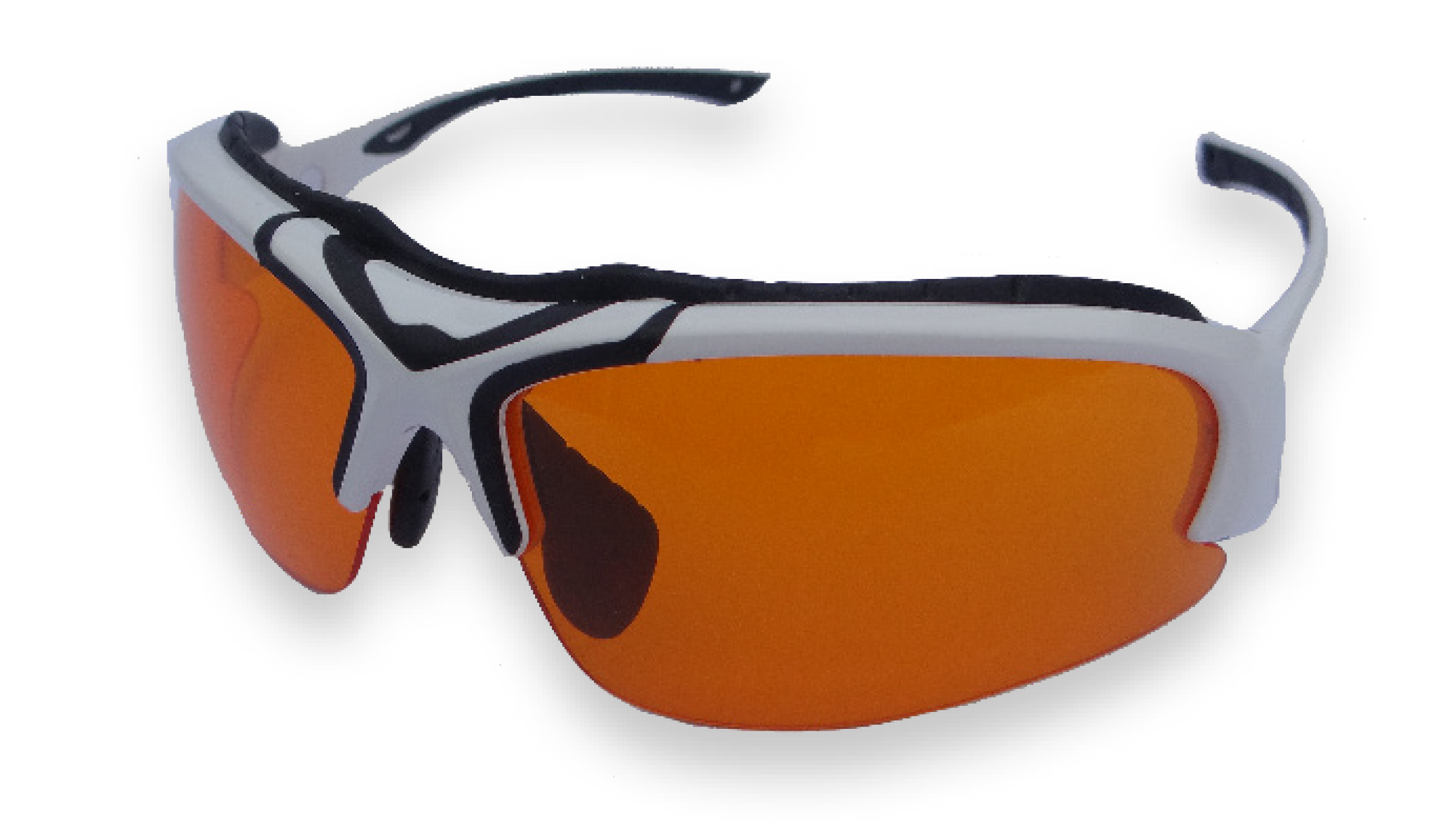
White Platinum
Blue‑blocking glasses with metal frames are not recommended if you live in a high nnEMF environment, as the metal can act as an antenna.
Purchase less expensive blue‑blocking glasses to keep around your home so they are readily available for use—for example, near where you watch TV or do computer work. More expensive, fashionable blue‑blocking glasses are better suited for public use.